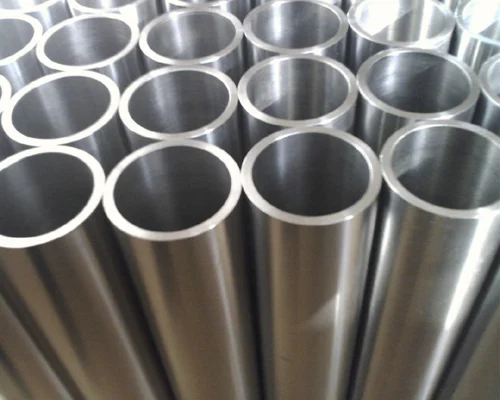
How to Select the Right Stainless Steel Tubes for Heat Exchangers: A Complete Guide for Engineers
Mr. Toey
DLSS-Pipe&Tube-How to Select the Right Stainless Steel Tubes for Heat Exchangers: A Complete Guide for Engineers
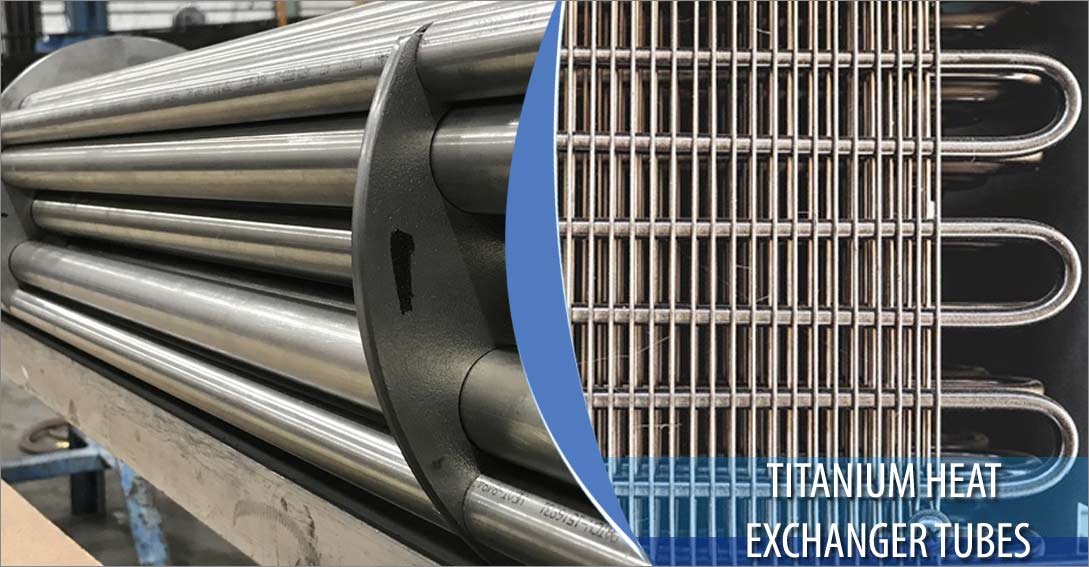
Choosing the right tubing material is crucial for designing a high-performance heat exchanger. Whether you work in oil & gas, petrochemicals, power generation, food processing, or marine applications, the stainless steel tube you select can significantly impact corrosion resistance, thermal conductivity, and lifecycle cost.
In this guide, we explore how to choose the right stainless steel tubes based on application environment, material properties, manufacturing process, and international standards—with practical insights from DLSS Pipeline, a global stainless steel tube supplier for heat exchangers.
1. Why Tube Selection Matters in Heat Exchanger Design
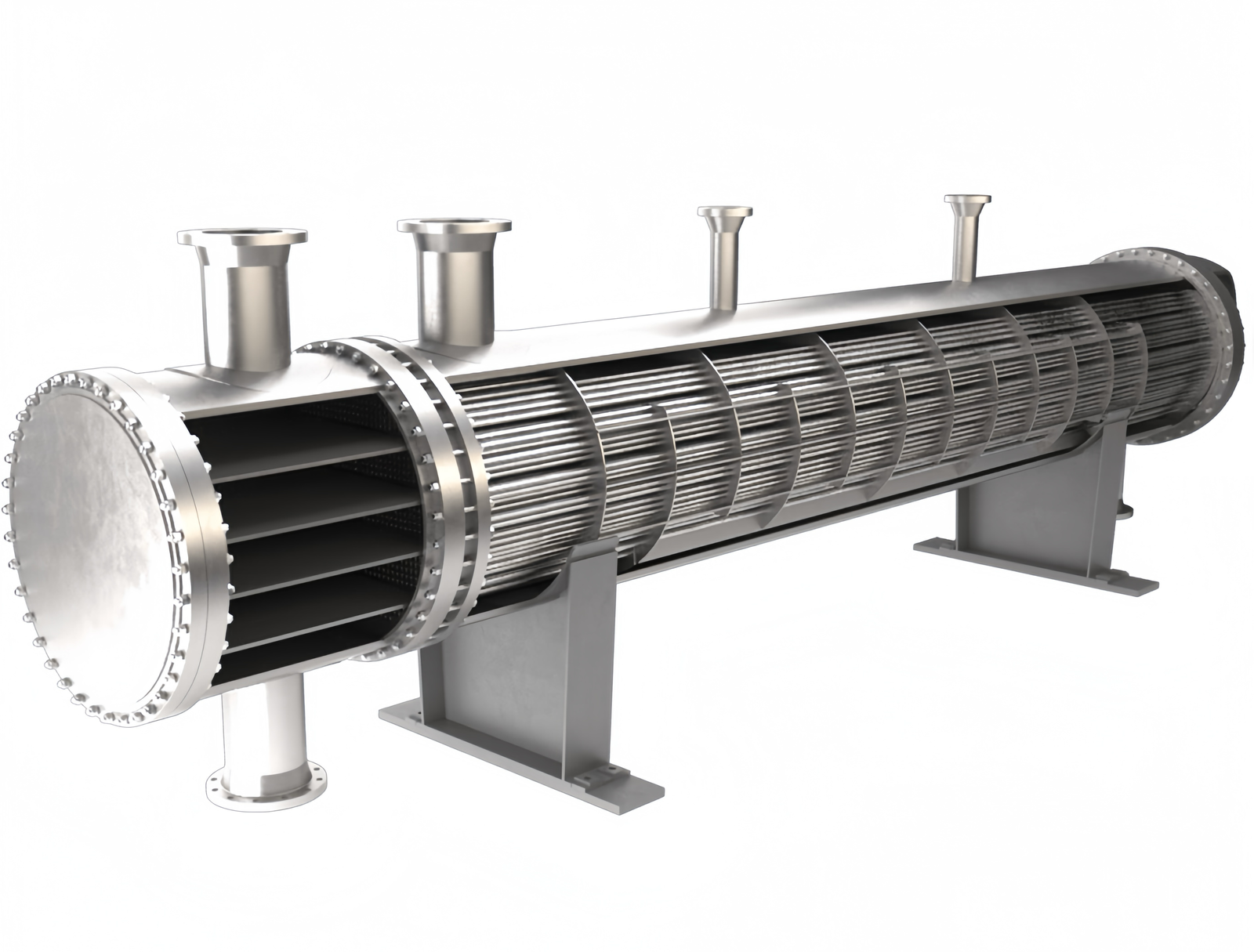
Heat exchanger tubes are at the heart of thermal transfer. Selecting the wrong grade or surface finish can lead to:
Reduced efficiency due to fouling or corrosion
Tube wall thinning from pitting or stress corrosion cracking (SCC)
Costly unplanned shutdowns or frequent maintenance
Regulatory compliance failure (ASME, EN, PED)
That’s why material selection must match both thermal duty and chemical environment.
2. Common Stainless Steel Grades for Heat Exchangers
Grade
Key Features
Typical Applications
TP304/304L
Cost-effective, good corrosion resistance
Water, HVAC, light chemicals
TP316/316L
Added Mo, better pitting resistance
Seawater, food, pharma, chemicals
TP317L
Higher Mo, excellent resistance to chlorides
Desalination, pulp & paper, acids
Duplex 2205
High strength, good chloride resistance
Offshore, pressure vessels
S32750
Super duplex, excellent SCC resistance
Oil & gas, subsea, harsh sour service
To learn more about which grade suits your application, contact our team at DLSS Pipeline
3. Environmental Factors That Influence Tube Selection
When selecting a tube, consider:
Corrosive media: Chlorides, acids, sulfur compounds, etc.
Operating temperature: High temp may lead to sensitization or scaling
Pressure ratings: Higher-strength duplex may reduce wall thickness
Cleanability: Smooth internal surfaces are essential in food & pharma
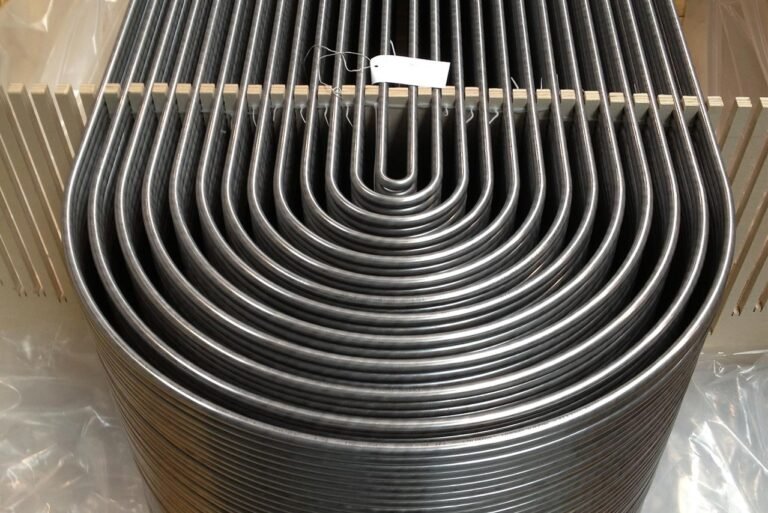
Weldability: For U-tubes or orbital welding, low carbon or stabilized grades preferred
4. Manufacturing Process Matters
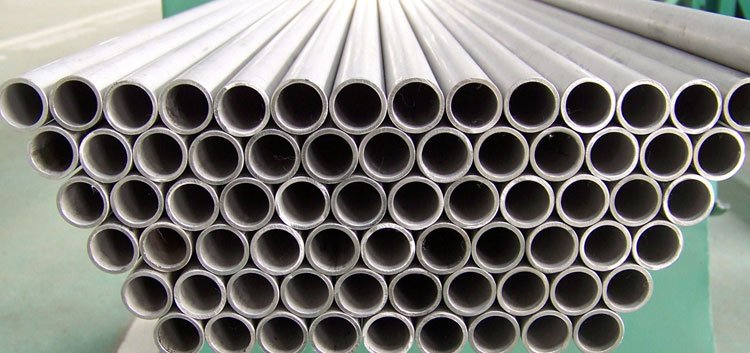
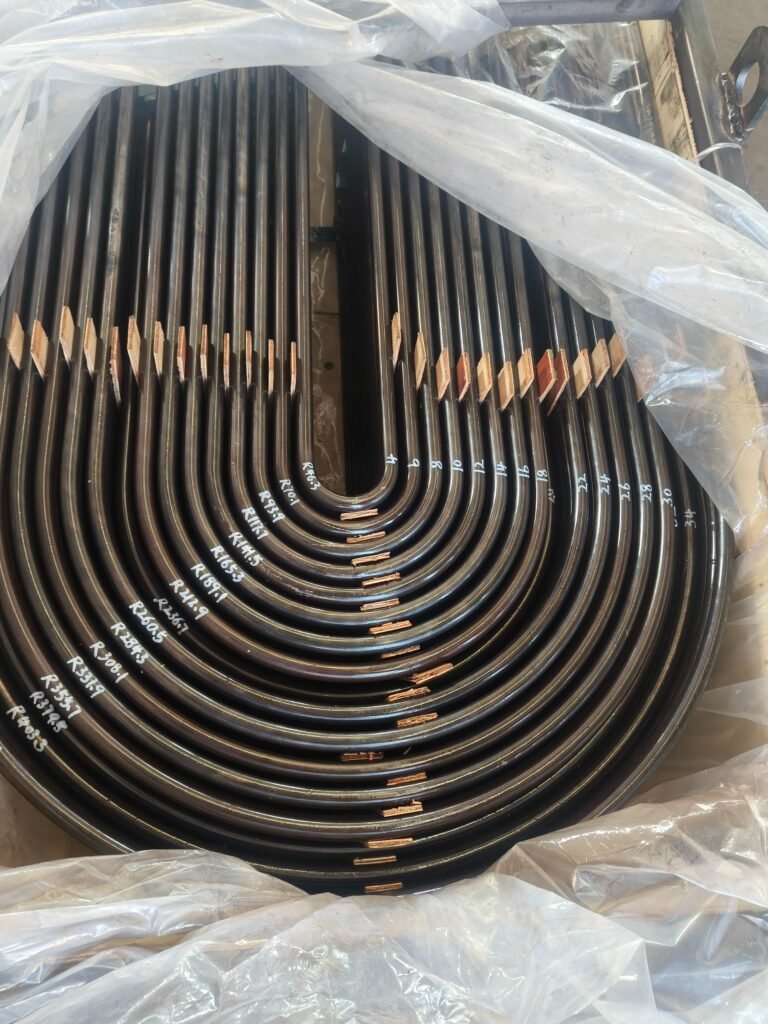
DLSS offers stainless steel heat exchanger tubes manufactured through cold drawing and heat-treated with bright annealing or pickling, depending on application.
Key quality features to ensure:
Tight OD/WT tolerances
Clean, defect-free internal surfaces
Straightness and ovality control
100% Eddy Current or Hydrostatic tested
Certifications: ASME SA213, EN10216-5, ISO 9001, PED
Visit www.dlsspipeline.com for details on our manufacturing and quality control capabilities.
5. Material Standards and Compliance
Your tube material should comply with recognized global standards:
ASME SA213 / SA789 (U.S.)
EN 10216-5 / EN 10217-7 (Europe)
JIS G3463 (Japan)
PED / AD 2000 (EU pressure equipment directives)
DLSS supplies tubes with full mill test certificates and traceability for global markets.
oplus_3145762
Frequently Asked Questions (FAQ)
Q1: What’s the difference between 304L and 316L in heat exchangers? 316L has molybdenum, giving it better corrosion resistance—especially in salty or acidic environments.
Q2: When should I choose duplex or super duplex stainless steel? When high strength and superior resistance to chlorides or stress corrosion cracking are needed—such as in offshore, refinery, or chemical injection systems.
Q3: What surface finish is better—pickled or bright annealed? Pickled tubes are ideal for corrosive environments. Bright annealed surfaces are preferred for hygiene-sensitive industries (food, pharma) due to low roughness and cleanliness.
Q4: Can DLSS customize tube dimensions? Yes, we offer custom OD, WT, and cut lengths based on your drawing or standard requirements.
Final Thoughts
Choosing the right stainless steel tube is not just a technical decision—it affects performance, durability, and long-term reliability of your heat exchanger system.
At DLSS Pipeline, we help clients around the world select, source, and customize heat exchanger tubes for a wide range of applications. Let us know your project requirements—we’re here to help.
1. Introduction Seawater desalination projects are expanding rapidly across the Middle East, North Africa, and Asia, with a market size of over 25 billion USD. One of the most critical components in desalination plants is the condenser and heat exchanger tubing, where Titanium Grade 2 (GR2) tubes are the preferred...
Introduction Japan’s seawater desalination plants operate in highly corrosive environments due to the presence of chlorides and high salinity. TP904L stainless pipes from DLSS offer superior resistance to pitting and crevice corrosion, making them an ideal choice for JIS G3459 – Stainless Steel Pipes for Corrosion Resistance compliance in marine...
Surface finish is an important part of stainless steel tube selection. For stainless steel tubes, duplex tubes, nickel alloy tubes and heat exchanger tubes, the surface condition can affect corrosion resistance, cleanliness, inspection results, welding quality and final application performance. Common stainless steel tube surface finishes include pickled surface, bright...
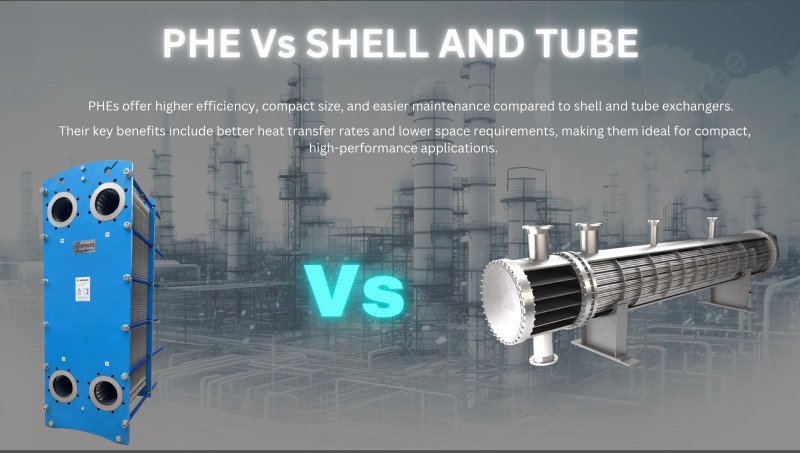
1. Introduction – Plate vs Shell and Tube Heat Exchanger When selecting a heat exchanger for your application, one of the most common decisions is between a plate heat exchanger (PHE) and a shell and tube heat exchanger (STHE). Both designs have unique advantages and limitations. This guide compares the...
Introduction In pipeline engineering, one of the most common questions from project engineers and procurement teams is:“Should we use seamless pipes or welded pipes?” Each option has distinct advantages and trade-offs, and your decision will affect cost, reliability, inspection requirements, and even compliance with standards such as ASME B31.3 or...
Heat exchanger tube failure can lead to system shutdowns, costly repairs, and even safety risks. Understanding the causes can help prevent future problems. In this article, we’ll cover the 5 most common reasons tubes fail—and how choosing the right materials and surface treatment can make all the difference. 1. Pitting...
As countries ramp up efforts to reach net-zero emissions, Carbon Capture, Utilization, and Storage (CCUS) technologies are being deployed at scale. These systems capture CO₂ from industrial processes or power generation and inject it deep underground—or repurpose it for industrial use. But behind every CCUS facility lies a network of...
Introduction The stainless steel seamless pipe industry is entering a new growth phase driven by infrastructure investments, energy transition, and decarbonization.From oil & gas to clean energy, seamless pipes play a vital role in delivering strength, corrosion resistance, and reliability across mission-critical systems. In this article, we provide an up-to-date...