TP316L Stainless Pipes for Japan’s Chemical Processing Plants – 日本化学プラント向けTP316Lステンレス管

DLSS - Market Insights – Japan - TP316L Stainless Pipes for Japan’s Chemical Processing Plants – 日本化学プラント向けTP316Lステンレス管

Introduction

Japan’s chemical industry demands high-performance stainless steel pipes capable of withstanding aggressive media and high temperatures. TP316L stainless pipes by DLSS meet JIS G3459 – Stainless Steel Pipes for Corrosion Resistance, ensuring durability, weldability, and excellent resistance to chloride-induced corrosion common in Japanese chemical processing plants.


1. Why TP316L for Japan’s Chemical Industry(日本化学産業でTP316Lが選ばれる理由)

  • Low Carbon Content – minimizes carbide precipitation during welding
  • High Molybdenum Content – superior pitting resistance in chloride environments
  • JIS + ASTM Compliance – dual standard supply for global compatibility

2. JIS-Compliant Manufacturing(JIS規格準拠の製造)

DLSS produces JIS-certified stainless steel pipes in TP316L with:

  • Strict dimensional tolerances
  • Smooth inner surface finish (Ra ≤ 0.8 μm)
  • 100% hydrostatic testing

3. Common Applications in Japanese Chemical Plants(日本化学プラントでの主な用途)

  • Acid and alkali transfer lines
  • High-temperature steam and condensate piping
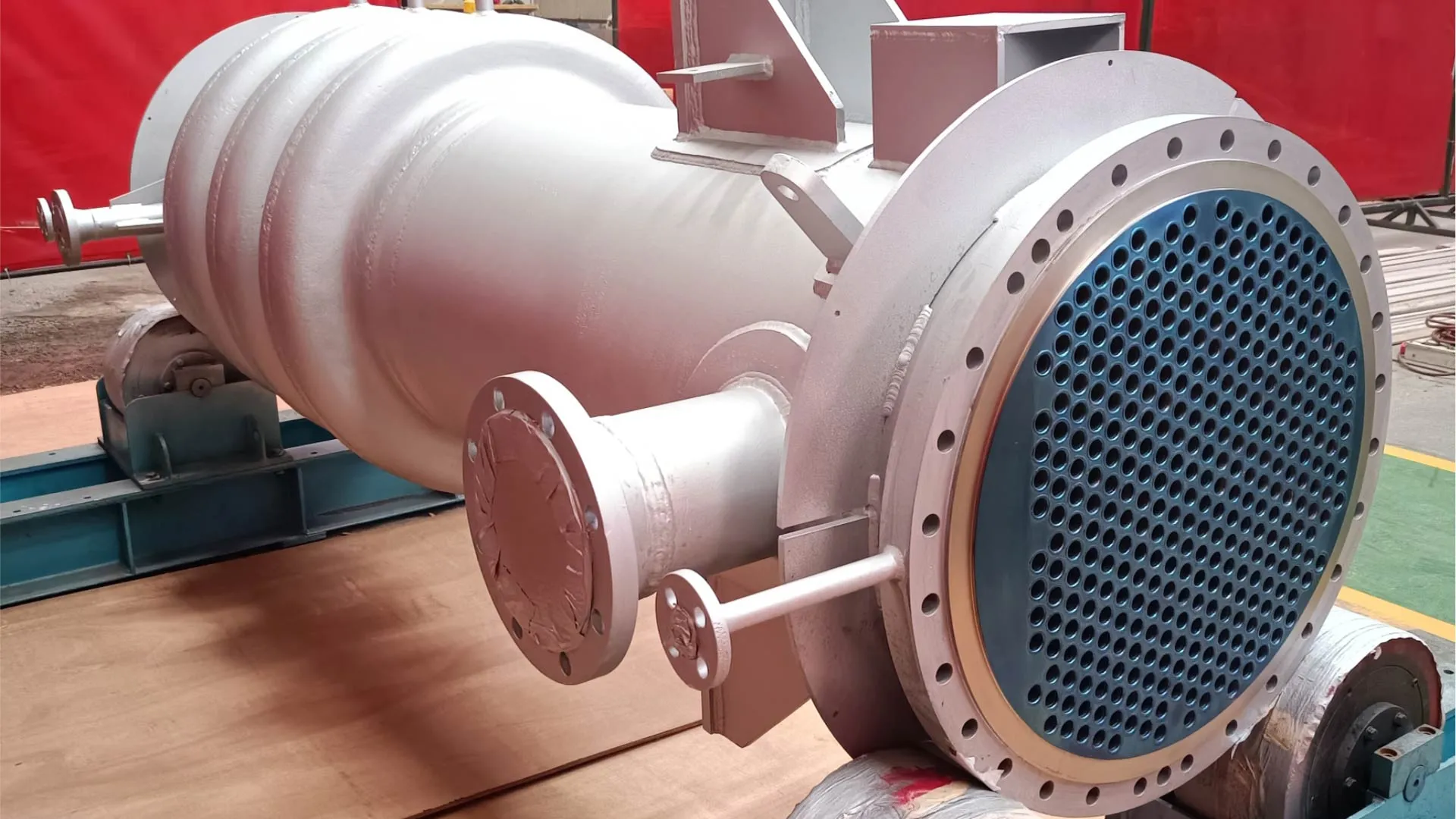
  • Process heat exchangers
  • Chloride-rich cooling systems

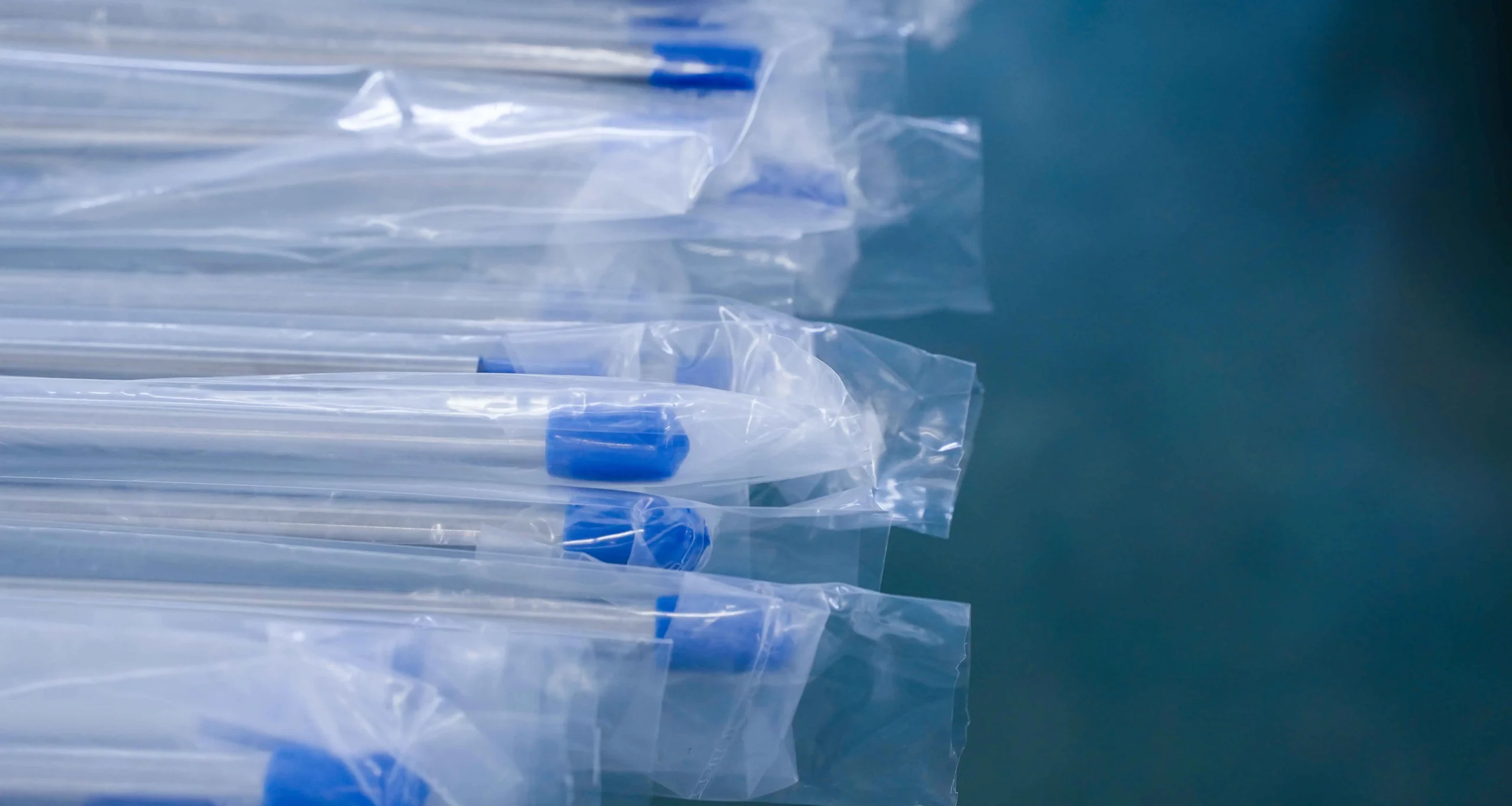
4. Packaging & Export for Japan(日本向け輸出梱包)

We ensure safe delivery with:


5. Advantages of Partnering with DLSS(DLSSと提携するメリット)

  • Over 30 years of stainless steel manufacturing experience
  • Expertise in heat exchanger tubes and custom solutions
  • Reliable delivery to major Japanese ports including Tokyo, Osaka, and Nagoya

FAQ(よくある質問)

Q1: Which JIS standard covers TP316L stainless pipes in Japan?
A1: JIS G3459 – Stainless Steel Pipes for Corrosion Resistance is the main applicable standard.

Q2: What’s the difference between TP316 and TP316L?
A2: TP316L has lower carbon content, reducing the risk of sensitization during welding, making it ideal for chemical plant applications.

Q3: Can DLSS supply TP316L pipes with dual JIS and ASTM certification?
A3: Yes, we offer dual-certified materials for projects requiring both Japanese and international standards.

Q4: How are TP316L pipes tested before shipping to Japan?
A4: We perform hydrostatic tests, eddy current tests, and visual inspections to ensure compliance.

Q5: What is the lead time for TP316L stainless pipes to Japan?
A5: Standard production time is 35–45 days depending on size and order volume.

Wonderful! Share This Case:

Austenitic Stainless Steel

Duplex Stainless Steel

Nickel Alloys

▪ Incoloy Family

▪ Inconel Family

▪ Monel Family

▪ Hastelloy Family

▪ Other Special Alloys

Cobalt Alloys

Related Posts

Corrosion-Resistant Heat Exchanger Tubes: When to Choose Titanium and Nickel Alloys

Corrosion-Resistant Heat Exchanger Tubes: When

In highly corrosive environments—such as seawater cooling, chemical processing, and offshore oil and gas—traditional stainless steel may not offer sufficient durability. Selecting the right material for heat exchanger tubes in these conditions is crucial for ensuring long service life, process safety, and reduced maintenance costs. This article explores two high-performance materials: Titanium and Nickel Alloy […]

Read More
What is a Finned Tube and How It Improves Heat Exchanger Efficiency

What is a Finned Tube

Finned tubes are a specialized type of heat transfer component designed to increase the surface area available for heat exchange between fluids. By adding extended surfaces or “fins” to the tube’s exterior, these components can significantly improve the efficiency of heat exchangers, making them ideal for applications where space is limited, or higher heat transfer […]

Read More
HIC and SSC Testing Explained: What Oil & Gas Engineers Need to Know

HIC and SSC Testing Explained:

Meta Description:Understand the role of HIC and SSC testing in preventing pipeline failures in sour service. Learn NACE testing procedures, acceptance criteria, and how to select qualified materials. Introduction In sour service environments—where hydrogen sulfide (H₂S) is present—pipe failure isn’t just a possibility, it’s a serious risk. And that’s why HIC and SSC testing has […]

Read More
Why Stainless Steel Tube Grain Size Matters in Heat Exchanger Applications

Why Stainless Steel Tube Grain

Meta Description:Grain size in stainless steel tubes directly affects corrosion resistance, mechanical strength, and heat exchanger durability. Learn how ASTM grain size ratings influence performance and certification. Introduction When engineers specify stainless steel tubes for shell-and-tube heat exchangers, attention is often paid to chemical composition, wall thickness, and surface finish. But there’s another hidden factor […]

Read More
Understanding Pickling and Passivation in Stainless Steel Tube Production

Understanding Pickling and Passivation in

Meta Description:Learn how pickling and passivation improve corrosion resistance in stainless steel tubes. Explore DLSS’s cleaning methods, ASTM standards, and industry-specific applications. Introduction Even the highest-grade stainless steel can suffer from surface contamination during tube forming, welding, or heat treatment. To restore the full corrosion resistance of stainless steel tubes, manufacturers must apply pickling and […]

Read More
Automation and Advanced Inspection: How Technology Is Reshaping Stainless Steel Seamless Tube Manufacturing

Automation and Advanced Inspection: How

In the race to produce high-precision, high-reliability stainless steel seamless tubes for critical applications like heat exchangers, power plants, and offshore platforms, automation and quality control technologies are becoming true differentiators. Modern tube manufacturers are no longer just metal processors—they are tech-enabled precision producers. At DLSS Pipeline, we’ve embraced this transformation to deliver consistent, export-ready […]

Read More
Reliable Tubes for the Shipbuilding Industry

Reliable Stainless Steel Tubes for

The shipbuilding industry continues to grow, with China, South Korea, and Japan accounting for nearly 90% of global ship output in 2023. As vessels are exposed to seawater corrosion, high pressure, and strict IMO environmental standards, the demand for corrosion-resistant stainless steel tubes and copper-nickel alloy pipes has never been higher. At DLSS, we specialize […]

Read More
Corrosion Resistance in Marine Applications: Stainless Tubes for Japan(海洋用途における耐食性:日本向けステンレスチューブ)

Corrosion Resistance in Marine Applications:

1. Introduction Japan, an island nation surrounded by seawater, faces constant challenges from 塩化物腐食 (chloride corrosion) in its marine industries. Stainless steel tubes with high corrosion resistance are essential in 海水淡水化プラント (seawater desalination plants), offshore oil & gas facilities, and shipbuilding. DLSS specializes in supplying marine corrosion resistant tube Japan to meet these demanding conditions. […]

Read More

Request A Quote

*We respect your confidentiality and all information are protected.